8 10 月, 2026
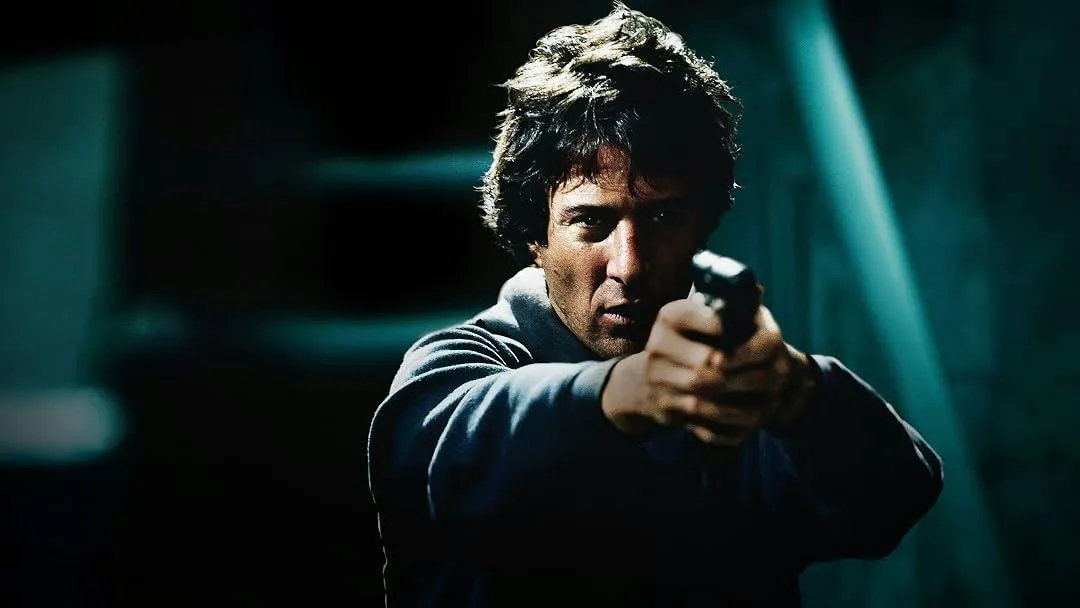
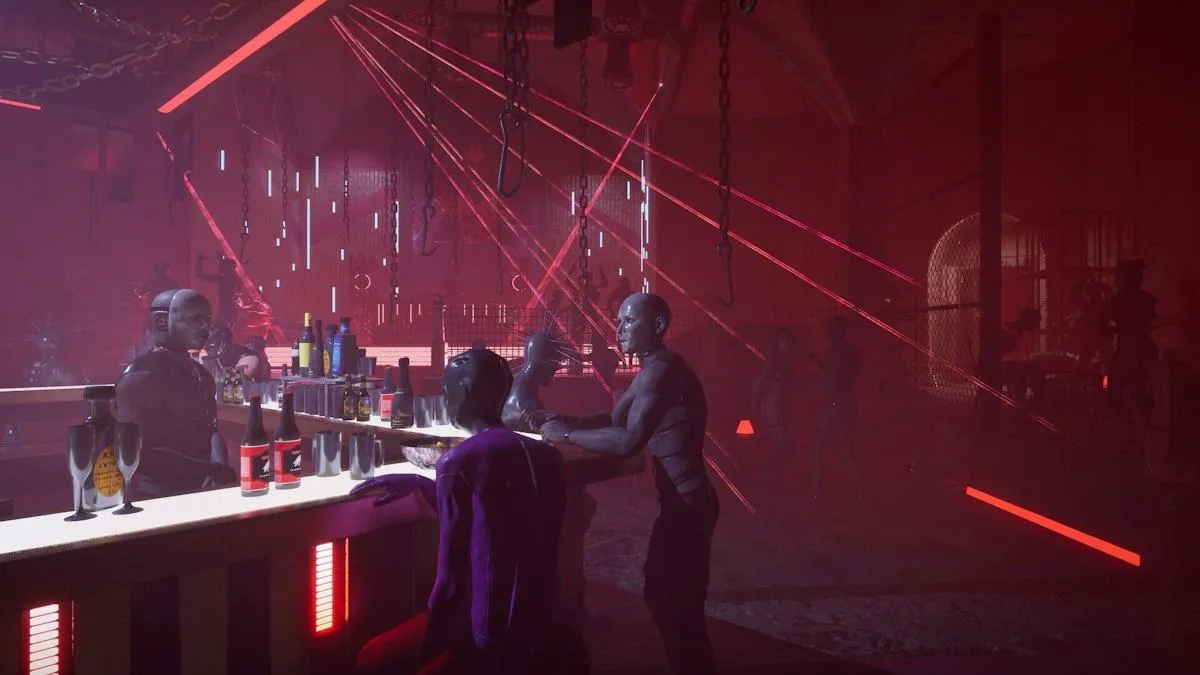
(SeaPRwire) - Since 2016, nearly every major horror IP has been processed through the same asymmetric multiplayer grinder. One killer, four survivors. It works on paper. It fills revenue targets. It also turned countless franchises into interchangeable party games where the narrative DNA gets shredded faster than a survivor's health pack. What we're witnessing with Hellraiser: Revival is not a nostalgic throwback. It's a direct challenge to the assumption that horror gaming can only scale through multiplayer templates. Let's look at the facts on record. Dead by Daylight debuted in 2016 and immediately became the template. Friday the 13th adapted to it. The Evil Dead adapted to it. The Texas Chain Saw Massacre adapted to it. Halloween just recently adapted to it. Saw is reportedly joining the party. Hellraiser: Revival announced last year and fans braced for the same formula given Pinhead's brief appearance in Dead by Daylight. What actually shipped is a single-player survival horror built around Aidan Lynch, a former biker gang enforcer and ex-con whose codependent relationship with his insatiably curious girlfriend Sunny mirrors Frank and Julia's destructive passion from the original films. Clive Barker himself consulted on the story. The Scarlet Church—a homicidal BDSM cult worshiping the Cenobites—is the primary human antagonist. Aidan starts with bladed and blunt-force weapons and progressively earns firearms. The Genesis Configuration grants powers like flame shooting, object manipulation, and the ability to banish non-human enemies back to the Labyrinth. Level design draws from the leather bars that inspired Barker's The Hellbound Heart and the M.C. Escher-adjacent surrealism of Hellbound: Hellraiser 2. It releases October 8 for PS5, Xbox Series X/S, and PC. The official press materials emphasize cinematic survival horror. The industry subtext says the market currently rewards multiplayer hookups above all else. Saber Interactive's decision to ignore that pressure is the more interesting data point. Alien: Isolation remains the last licensed horror game most people would call truly great. What Revival shares with it is the conviction that a horror IP deserves a single-player nightmare built around its actual mythology, not a social multiplayer shell. The Labyrinth sequences are described as tight dizzying corridors with Eldritch abominations lurking everywhere. Aidan gets kidnapped early and fights his way through a decaying underground torture dungeon into a neon-lit fetish club—the Scarlet Church's public front. That ESRB-level content is exactly the kind of committed tonal risk the multiplayer template would sanitize into safety. The narrative arc forces players to confront the same cosmic horrors Aidan flees, eventually blurring the line between victim and aggressor in a way that mirrors the franchise's agony-ecstasy core. This is thematic consistency as a design philosophy, not a marketing talking point. The supply chain takeaway here is blunt. Licensed horror games are not dying because the IP well is dry. They're dying because the production pipeline defaults to multiplayer as a cost-recovery strategy. Single-player survival horror requires more time per level, more environmental design investment, and fewer live-service upsells. It also requires faith that players will pay full price for a complete experience rather than free-to-enter competitive loops. Hellraiser: Revival proves that a mid-tier horror IP with deep lore and a committed studio can produce a genuinely competent single-player horror game without needing the multiplayer crutch. The question Saber Interactive and other studios should be answering is not whether this model scales to every franchise. It's whether the industry will continue rewarding cheap multiplayer adaptations until the consumer base stops believing in licensed horror games entirely. The market already punished countless mediocre Dead by Daylight clones. Revival is the counter-example that should make publishers uncomfortable.
More